Listeners:
Top listeners:
-
 play_arrow
Pride 365 The Soundtrack of Pride - All Year Long


GLAAD Report Finds Streaming Leads LGBTQ+ Representation, But Many Characters Won’t Return
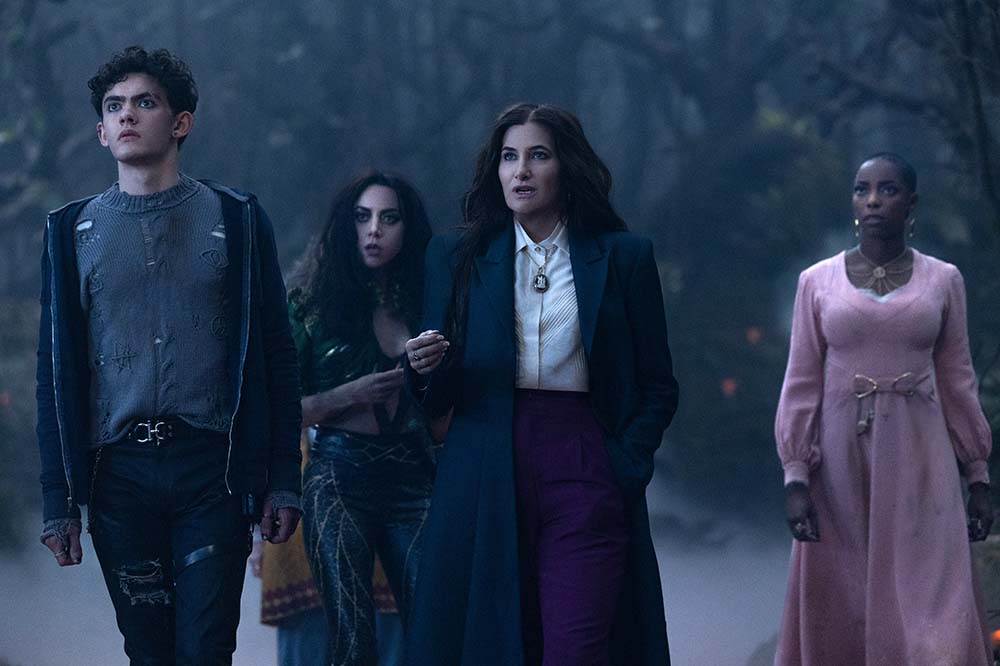
GLAAD has released its newest Where We Are on TV report, offering an updated look at LGBTQ+ representation across scripted streaming television. While streaming platforms continue to outpace broadcast and cable networks in the number and diversity of queer characters, the report also highlights a concerning trend: a significant portion of those characters are not expected to return in upcoming seasons.
The annual study tracks LGBTQ+ regular and recurring characters in original scripted programming. This year’s findings show streaming platforms generated the highest volume of LGBTQ+ roles compared to network and cable television, reinforcing the shift in where audiences are most likely to see queer stories represented.
However, the report also notes that more than one-third of the LGBTQ+ characters counted are no longer appearing going forward. In many cases, this is due to shows being canceled after one season or characters being written out — a reminder that visibility remains vulnerable even as representation appears to grow.
Another key finding highlights continued progress in on-screen diversity. Over half of the LGBTQ+ characters identified across streaming belonged to communities of color. This marks a sustained shift away from earlier eras of representation, which overwhelmingly centered white, cisgender gay men. At the same time, trans and non-binary representation remains limited, with a comparatively small number of characters across major platforms.
The report also outlines challenges for legacy broadcast and cable networks, which saw declines in the number of LGBTQ+ characters featured. As more scripted programming moves to streaming services, the platforms that hold the most influence over representation continue to consolidate.
GLAAD is urging streaming networks and studios to prioritize long-term investment in LGBTQ+ characters, storylines, and creatives behind the camera. The organization emphasizes that representation should not be temporary or interchangeable — authentic stories require continuity and meaningful development, not one-season experiments.
The Where We Are on TV report is released annually and often serves as an industry benchmark, influencing programming decisions and inclusion standards across television and streaming production. This year’s findings underscore both progress and instability within LGBTQ+ representation, even as the space for queer storytelling continues to shift toward digital platforms.


ON AIR NOW
LATEST
TOP CHART
-

1
play_arrowIn Your Eyes (Main)
-

2
play_arrowMovin' To The Sun [Radio Edit]
-

3
play_arrowLove Sensation (Afterhours Radio Edit)
-




Pride 365 is a registered trademark of the Capital Pride Alliance (CPA). CPA is a nonprofit organization dedicated to serving the needs of the LGBTQ+ community, through educational programs, major events, fundraising, outreach and advocacy, providing platforms for visibility, and supporting the work of our many community organizations and local businesses.


Post comments (0)