Listeners:
Top listeners:
-
 play_arrow
Pride 365 The Soundtrack of Pride - All Year Long


The prideful revelations of Queer poetry
by Amniche Guerin
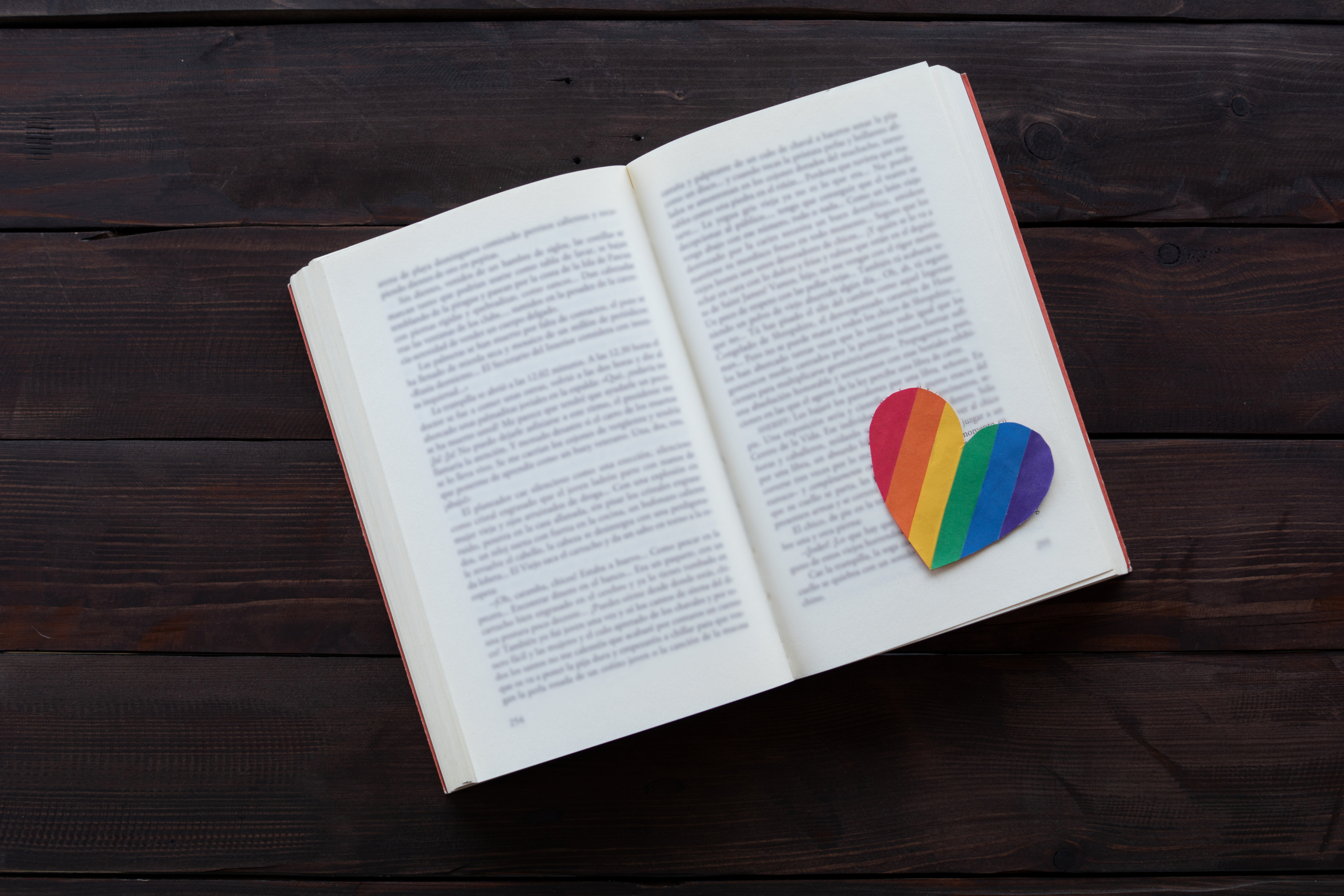
Art has always been a central form of expression in the Queer community. From flamboyant fashion styles that challenge gender norms, to Queer-coded messages woven into song lyrics, the LGBTQIA+ community has always found a way to make our presence known.
A key art form in Queer culture is poetry, which has acted as a vehicle of communication for revolutionary ideas in many civil rights eras—including the Gay Liberation Movement. Through poetry, marginalized individuals acutely express their feelings of inferiority in a society that perpetuates their oppression. Most importantly, poetry also challenges the status quo by embracing shunned identities, forming a sense of pride by questioning and dispelling stigmatized narratives. Openly Queer poets of both the twentieth and twenty-first centuries, such as Audre Lorde, Adrienne Rich, and Jasmine Mans, helped to shape the revolutionary voice of the Queer community by using their experiences and pens to humanize Queer love.
This countercultural approach examined in Queer poetry—in where Queer writers explore their identities with pride rather than hide it due to fear—is celebrated as an act of resistance. Celebrating Pride itself is an act of resistance, especially in a time of heightened visibility of conservative values. By meshing the sentiments of Pride with subversive poetry, Queer poets engage in an intense act of resistance, daring to be heard in a world that has continuously tried to silence their voices.
Poetry as an energetic art form in the Gay Liberation Movement cannot be fully understood without its relationship to community. As discussed in Audre Lorde’s essay “Poetry Is Not a Luxury” (1977), in a society that relies heavily on social apathy to keep individualism alive, those on the fringes of society, such as the LGBTQIA+ community, must relieve themselves of societal pressures by leaning on empathy—a pathway to community. Poetry, a medium of expression, thus acts as a conduit for empathy for marginalized communities, allowing one’s experience to be conveyed with a lyrical flair.1 The accumulation and dissemination of poetry rooted in the Queer experience engenders community, fueling the fire for societal change.
One of the most renowned works of the twentieth century that exemplifies Queer pride through poetry is Adrienne Rich’s Twenty-One Love Poems (1976). In this chapbook, Rich details her emotional journey through a sapphic relationship by writing a series of poems between 1974 to 1976. As an out Lesbian in a time filled with hostility towards Queer people, Twenty-One Love Poems challenged heteronormative standards and pushed against the accepted ostracization of Queer identities.2 Rich’s work not only resonated with both out and closeted individuals, but also gave those outside of the LGBTQIA+ community a glance into the world of Queer love—humanizing this often-demonized experience.
Moving into the twenty-first century, we see a cultural shift in attitudes towards the Queer community; however, homomisia and transmisia3 still exist, highlighting the ongoing need for Queer representation and revolution through poetry. A writer on the frontlines of showcasing their pride through their artistry is Jasmine Mans, a Black Queer poet who examines her intersectional identity in Black Girl, Call Home (2021). This poetry book highlights not only the complications associated with hosting intersecting identities, but also the tender joy that accompanies learning to accept your multiple identities.4 By moving between poems that navigate homomisia in the Black community and ones that normalize and uplift Queer love, Mans centers her experience as one that has always existed, will continue to exist, and is deserving of recognition.
The disruptive art form that is Queer poetry breaks norms, challenging embedded values that also interact with various other marginalized identities. Queer poets have used their voices to share their experiences, to humanize their identities, and to make a stance. Cultural organizations, such as libraries, universities, and nonprofits, understand the need to continue to breathe life into the flame that is Queer poetry. Workshops, such as the Pride Poetry Workshop series held by the Arts Club of Washington, explore themes of identity and protest in relationship to poetry as praxis. In honoring our Queer heritage through poetry, the LGBTQIA+ community unifies its voice through empathy that translates itself into power and community-building.
Similar posts

ON AIR NOW

Friday Night Dance Party with DJ TWiN
The heartbeat of pop music, bringing you the freshest tracks and the latest chart-toppers. Tune in daily for the hottest hits, artist interviews, and music news that keep your finger on the pulse of the pop world.
closeLATEST
TOP CHART
-

1
play_arrowIn Your Eyes (Main)
-

2
play_arrowMovin' To The Sun [Radio Edit]
-
3
play_arrowLove Sensation (Afterhours Radio Edit)
-




Pride 365 is a registered trademark of the Capital Pride Alliance (CPA). CPA is a nonprofit organization dedicated to serving the needs of the LGBTQ+ community, through educational programs, major events, fundraising, outreach and advocacy, providing platforms for visibility, and supporting the work of our many community organizations and local businesses.


Post comments (0)