Listeners:
Top listeners:
-
 play_arrow
Pride 365 The Soundtrack of Pride - All Year Long


Supreme Court Could Weaken LGBTQ+ Protections at Religious Schools
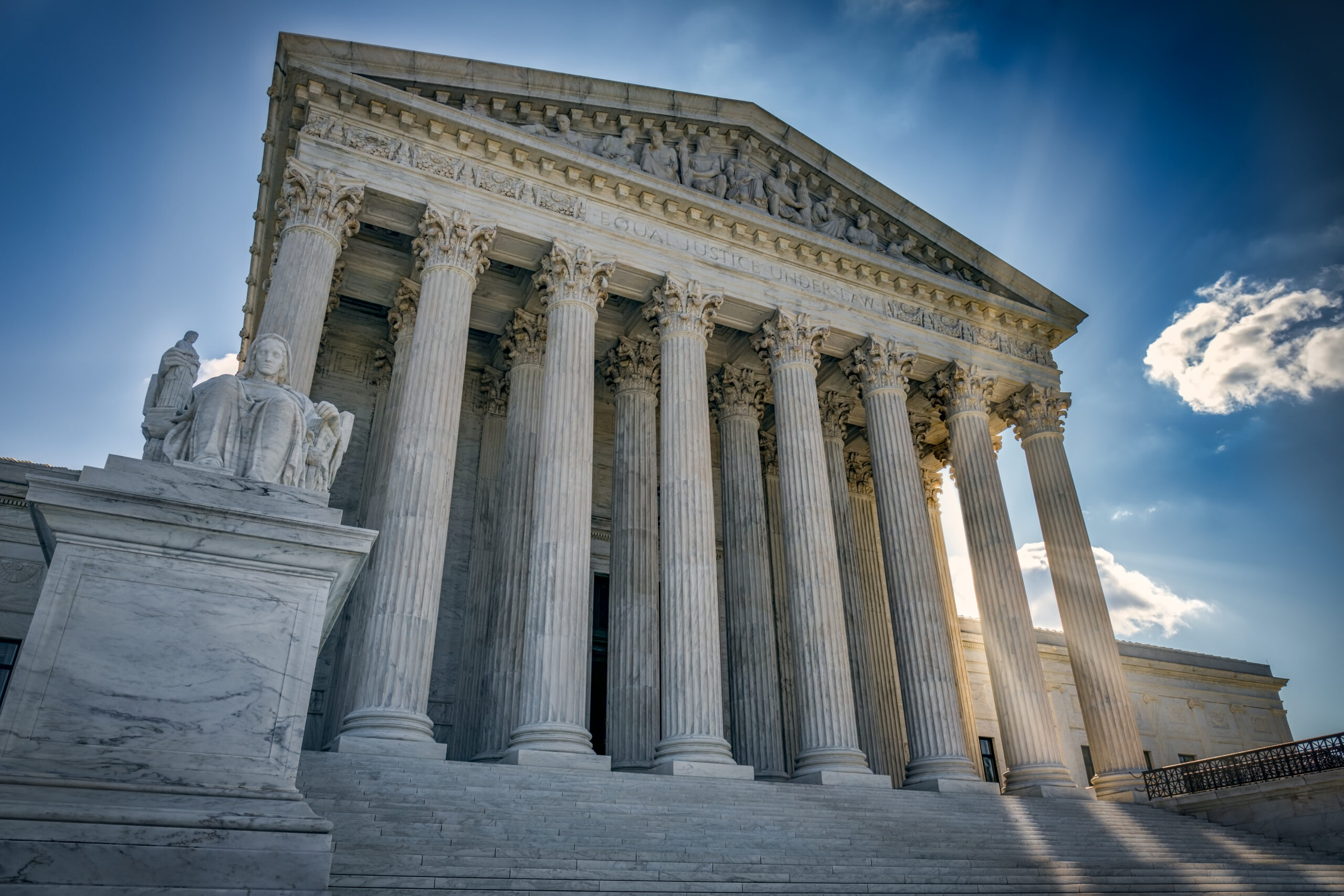
Supreme Court Signals It Could Weaken LGBTQ+ Protections at Religious Schools Receiving Public Funding
Justices appear sympathetic to Catholic organizations seeking permission to exclude children from families that don’t align with their religious beliefs. The decision could have implications for LGBTQ+ nondiscrimination protections nationwide.
WASHINGTON, D.C. – The future of LGBTQ+ protections in publicly funded education programs is once again before the U.S. Supreme Court, and early indications from the justices suggest another significant legal battle may be looming for LGBTQ+ families.
During oral arguments Tuesday, November 3, several conservative Supreme Court justices appeared receptive to a challenge brought by Catholic organizations seeking an exemption from Colorado’s nondiscrimination requirements for publicly funded preschool programs.
At the center of the dispute is whether religiously affiliated preschools should be allowed to receive taxpayer funding while refusing enrollment to children whose parents do not support the schools’ religious positions on same-sex relationships and gender identity.
Colorado’s universal preschool program allows participating public and private institutions, including religious schools, to receive government funding. However, participating schools must provide equal enrollment opportunities regardless of a child’s sexual orientation or gender identity, or that of their parents.
The Archdiocese of Denver and other Catholic organizations argue that these requirements interfere with their constitutional right to freely exercise their religion. The Trump administration has also sided with the religious organizations in the case.
A constitutional question with consequences for LGBTQ+ families
The arguments have exposed a growing tension between two important legal principles: religious freedom and equal treatment under the law.
The Catholic organizations contend that their religious beliefs require them to enroll only children from families who support the Church’s teachings, including its positions on marriage and gender identity. They argue that requiring participation in a government-funded program to come with nondiscrimination obligations effectively forces religious institutions to choose between their beliefs and access to public benefits.
Colorado officials have pushed back, arguing that religious schools are welcome to participate in the preschool program, provided they follow the same rules as every other participating institution.
The distinction matters. Colorado maintains that it is not prohibiting religious schools from teaching their beliefs. Instead, the state is requiring institutions accepting public money to meet a common standard of equal access.
During Tuesday’s arguments, conservative justices appeared interested in expanding the constitutional protections available to religious institutions when government funding comes with conditions they object to.
Chief Justice John Roberts and Justice Amy Coney Barrett both raised questions suggesting that requiring religious schools to comply with certain funding conditions could be comparable to excluding those institutions from government programs altogether.
Liberal justices challenged that interpretation, questioning whether religious organizations were seeking equal access to public benefits or a special exemption from rules that apply to everyone else.
Why LGBTQ+ advocates are watching closely
The case arrives amid a broader series of Supreme Court decisions that have expanded protections for religious organizations seeking exemptions from certain government requirements.
In recent years, the court has sided with religious plaintiffs in disputes involving public funding for religious schools and businesses whose owners objected to providing services for same-sex couples.
A ruling in favor of the Catholic organizations could potentially extend that legal reasoning further, raising questions about whether other publicly funded programs could be required to accommodate religious institutions seeking exemptions from LGBTQ+ nondiscrimination rules.
The implications could reach beyond preschool enrollment. Government-funded education, social services and other programs that rely on partnerships with private and religious organizations could face renewed legal challenges over the conditions attached to public funding.
For LGBTQ+ parents, the concern is particularly personal. Access to publicly supported educational programs should not depend on whether a family conforms to the religious beliefs of the institution providing the service.
At the same time, the case presents the court with a difficult constitutional question about how far religious liberty protections extend when organizations voluntarily participate in government-funded programs.
What happens next?
The Supreme Court has not issued a ruling, and the justices’ questions during oral arguments do not necessarily predict the final outcome.
A decision is expected by the end of June 2027, when the court typically concludes its annual term.
Until then, Colorado’s existing nondiscrimination requirements remain in place, and the lower-court decisions upholding those protections have not been overturned.
Whatever the outcome, the case could become another defining moment in the ongoing national debate over LGBTQ+ equality, religious freedom and the responsibilities that come with accepting public money.
For LGBTQ+ families across the country, the question is about more than a preschool enrollment policy. It is about whether equal access to publicly funded services remains a consistent expectation for everyone, or whether some institutions can receive taxpayer support while making exceptions that leave LGBTQ+ families on the outside.
Pride 365 will continue following this case as the Supreme Court moves toward its decision.

ON AIR NOW
LATEST
TOP CHART
-

1
play_arrowIn Your Eyes (Main)
-

2
play_arrowMovin' To The Sun [Radio Edit]
-

3
play_arrowLove Sensation (Afterhours Radio Edit)
-



Pride 365 is a registered trademark of the Capital Pride Alliance (CPA). CPA is a nonprofit organization dedicated to serving the needs of the LGBTQ+ community, through educational programs, major events, fundraising, outreach and advocacy, providing platforms for visibility, and supporting the work of our many community organizations and local businesses.


Post comments (0)